
Rena Commons, Personal Banker
Along with tax season comes an increase in scam attempts, which makes it especially important to stay alert. Between texts, calls, and emails, it can be hard to tell which messages are legitimate and which are designed to pressure you into acting quickly. This article highlights common warning signs and simple steps you can take to reduce risk and spot suspicious activity early.
Why Scams Increase During Tax Season
Tax season can create an ideal environment for fraud. Many people are expecting tax forms or refunds, and scam messages can look convincing. Scammers take advantage of urgency to prompt quick decisions before you have time to verify what is real.
Common Tax Scams You Might See
Tax-related scams can take many forms. You might receive an “urgent notice” claiming to be from the IRS, or a message that says your refund is on hold and asks you to confirm information. Scammers may also send links to fake “tax portals” designed to capture login details, use stolen personal information for identity theft, or offer “tax help” that promises unusually large refunds.
Tax Scam Red Flags to Watch For
While scams may vary, many share the same patterns. Watch for messages that use urgency or threats, request payment in unusual ways, or push you to click a link or open an attachment to “verify” information. If you receive a suspicious email or call, stay calm and do not give personal or account information, especially if there is a threat or a request for money. Be cautious of payment requests by gift card, Cash App, or claims that someone “from the court” will pick up money.
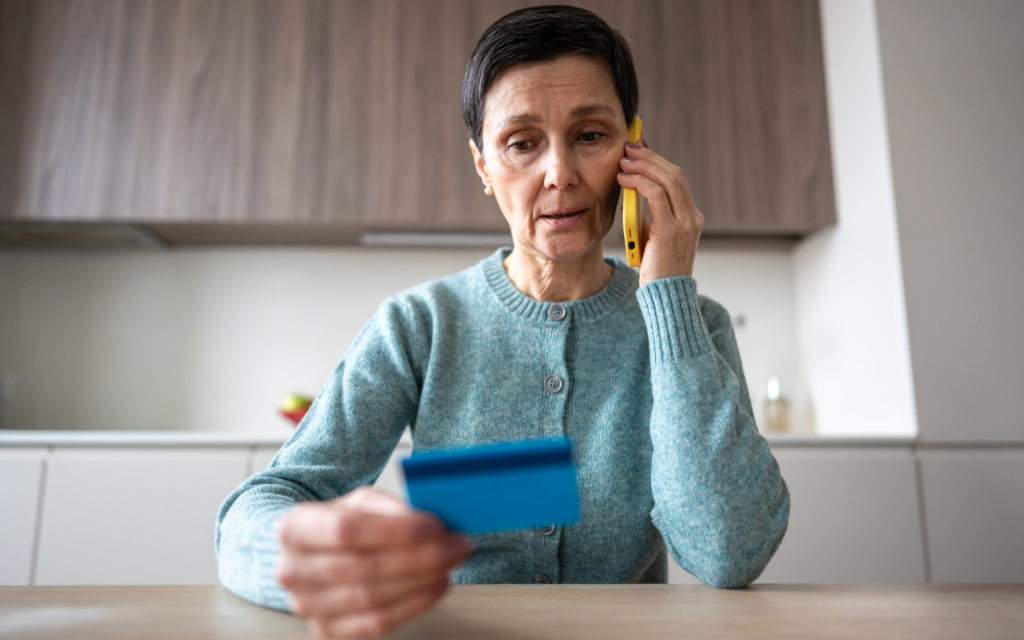
Keep in mind that some information is public, so a fraudster may already have details and try to get you to “verify” more.
Look closely at sender details, since misspellings, odd email addresses, or unusual formatting can be warning signs. If it doesn’t sound right, it most likely isn’t. When in doubt, stop and verify using a trusted method, such as calling the number on the back of your card or the number listed on our official website. You can also review IRS guidance on tax-related scams for examples of common tactics and recommended next steps.
Information You Should Never Share
A good rule of thumb is to avoid sharing sensitive information through unexpected texts, emails, or calls. Never share:
- Online banking usernames or passwords
- One-time passcodes or multi-factor authentication codes
- PINs
- Your full Social Security number through text or email
- Login credentials using a link you did not initiate
Also, do not save passwords on electronic devices. Use complex passwords or phrases that are significant only to you.
Simple Steps for Tax Scam Safety
Small actions can help reduce your risk, especially during tax season.
Consider enrolling in Notifi Real-Time Alerts so you can receive timely notifications and review unusual activity sooner. Review transactions more frequently, and use strong, unique passwords with multi-factor authentication, especially for your email account.
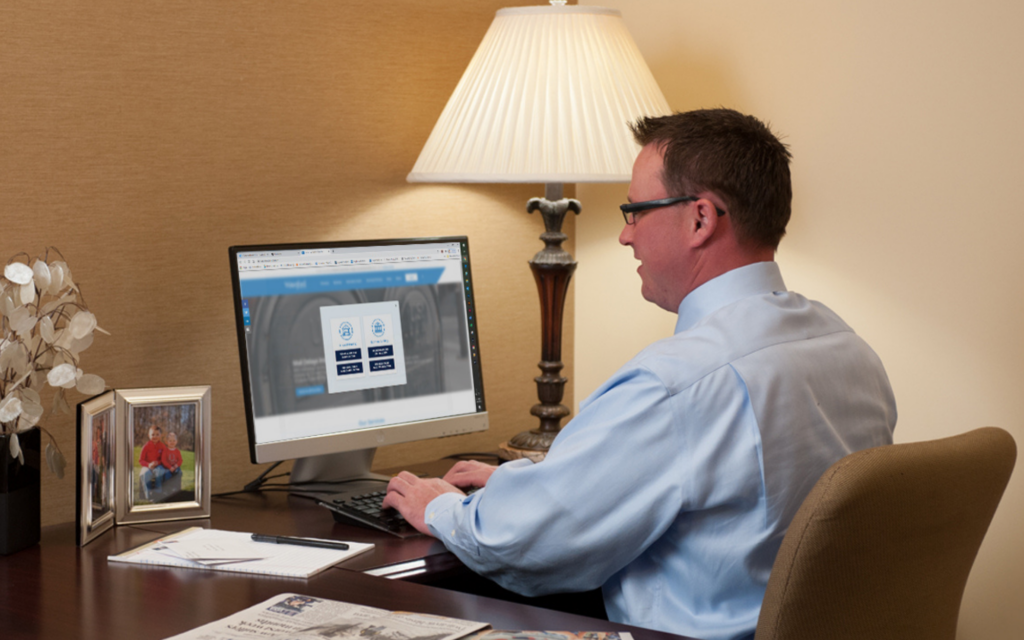
Notifi Real-Time Alerts can help you spot unusual activity sooner.
Keep your devices and apps updated and avoid logging into sensitive accounts on public Wi-Fi. When you need to access a website, type the address into your browser or use a trusted bookmark instead of clicking a link in a message.
What To Do If You Think You Were Scammed
If you think you clicked a suspicious link, shared information, or sent money, try to stay calm and take the following steps:
- Stop communicating with the sender.
- Do not comply with any monetary request. Simply hang up and call the person or business back using a trusted number.
- Contact your bank right away to report what happened and review your account activity.
- Change your passwords, starting with your email account, followed by online banking and any related accounts.
- Review recent transactions and strengthen alerts or security settings.
- Document what happened by saving screenshots and noting details such as the sender’s information and the date and time of contact.
We’re Here to Help
Tax scams can be convincing, but you are not powerless. A few habits, like slowing down, verifying messages, and using the right account tools, can help reduce your risk and stay aware of account activity. When in doubt, contact our team using a trusted number. We can help you review account activity, set up alerts, and talk through next steps.
Disclaimer: This article is for general informational purposes only and does not provide tax or legal advice.
About the Author

Rena Commons is a Personal Banker at Waterford Bank, N.A. in Toledo, Ohio. She provides steady guidance and clear communication, helping customers feel informed and supported as they make personal banking decisions. If you’d like to connect with Rena to discuss personal banking services or another aspect of your financial journey, please contact us here.